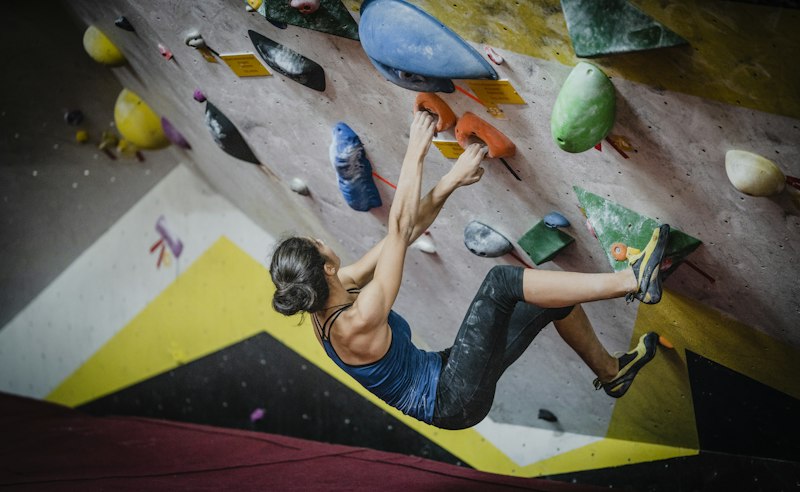
The Problem with Climbing Culture and Food
Climbing has a complicated relationship with food. For decades, the culture celebrated being as light as possible, and that mindset still echoes through gyms and crags. I have seen talented climbers plateau or get injured because they were chronically underfueling.
Here is the truth: you cannot out-climb a bad diet. And restriction is not a nutrition strategy — it is a performance limiter disguised as discipline.
The Performance Plate
I use a simple visual framework with my clients. Every meal should roughly follow this template:
- 40% complex carbohydrates — rice, sweet potatoes, oats, whole grain bread. Carbs are your primary fuel for climbing. Period.
- 30% quality protein — chicken, fish, eggs, legumes, tofu. Protein repairs muscle and supports tendon health.
- 20% vegetables and fruits — the more colors the better. Micronutrients and antioxidants that support recovery.
- 10% healthy fats — avocado, nuts, olive oil. Essential for hormone production and joint health.
Timing Matters
What you eat matters, but when you eat it matters almost as much:
- 2-3 hours before climbing: Full meal with carbs and protein. This is your fuel tank.
- 30 minutes before: Small carb-rich snack if needed — banana, rice cake, dates.
- During long sessions: Easy-to-digest carbs every 60-90 minutes.
- Within 30 minutes after: Protein plus carbs for recovery. This window is real and it matters.
Common Mistakes I See
- Skipping breakfast before morning sessions — you are climbing on an empty tank
- Fear of carbs — carbohydrates are not the enemy; they are your primary energy source
- Not eating enough protein — most climbers get 60-80g when they need 100-140g
- Relying on bars and gels — real food should be the foundation, packaged food the supplement
You do not need a perfect diet. You need a consistent one that gives your body what it needs to train, recover, and perform. Start with the plate framework and adjust from there.